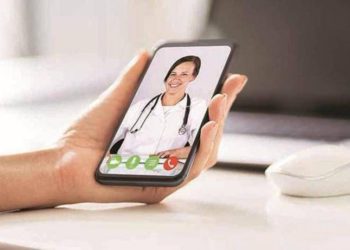

The coronavirus pandemic has increased the necessity of telemedicine in times of crisis. Each telemedicine software development company intends to change the way both doctors and patients consider telehealth and the importance of in-person care. Today, telemedicine serves as an incredibly helpful tool for multiple healthcare institutions and organizations.
Apart from the impact of COVID-19, the significant growth in the telemedicine market refers to different factors, including the rising population. Thanks to improving the telemedicine mobile app development services like those offered by Exoft, telehealth has a bright future.
Below, we describe the top five trends in telemedicine apps that will continue to develop in the future.
AI & Chatbots
Among the most critical advantages of telemedicine is its ability to reduce patient wait times. Telemedicine software allows requesting virtual meetings with doctors, attending such meetings from their homes, and obtaining the necessary comfort and privacy.
With the introduction of artificial intelligence (AI) technology and chatbots, many mobile telehealth apps can provide an even greater decrease in patient wait times. Chatbots allow confirming the patient’s history, explaining their symptoms, and expressing the existing concerns before a visit to their doctor. Besides, patients gain an opportunity to upload photos, measure the severity of current symptoms, and experience the same questions and answer (QA) process as they may have with a traditional healthcare assistant.
At the same time, chatbots help aggregate patient responses for identifying what has caused relevant symptoms. Using this technology allows prioritizing high-risk patients in a particular queue, offering helpful resources, including self-care articles, proposing a diagnosis, or even creating treatment plans. After all, the thoughtful AI implementation in telemedicine apps can contribute to better patient health accountability.
Of course, AI and chatbots cannot serve as a full substitution for in-person care. But they are becoming more widely used in mobile telemedicine apps since healthcare providers constantly try to find ways of improving the patient experience, streamlining intakes, and enhancing the overall operational effectiveness.
Clinical Trials & Patient Journey Tracking
The ability to track patients’ health journeys promotes the increase in recruitment efforts for conducting virtual clinical trials. Healthcare organizations can use such trials for evaluating multiple issues regarding physical and mental health. Also, patients who were previously prohibited from taking part in virtual clinical trials due to various barriers now gain an opportunity to participate in clinical studies. These studies are crucial for greater research findings and enhanced software.
Additionally, the application of telemedicine provides more private confidentiality between patients and doctors. For example, there is no need for patients to visit doctors’ offices and show their faces for receiving the appropriate treatment or participating in prolonged health research. That helps eliminate patient fears to become stigmatized depending on the diseases or health condition.
Ultimately, healthcare providers can implement a more holistic method of measuring patient conditions thanks to real-time data tracking. With telemedicine, they can define various trends and abnormalities related to patients’ bio-behavior during an extended period. Also, healthcare companies can determine the primary source of patients’ symptoms. The particular hyper-personalized insights provide doctors and patients with a much bigger picture and create baselines for improving health.
Personal Devices
Nowadays, multiple wearables, along with other tracking devices, are emerging in different industries, including healthcare. For instance, recent feature additions allow warning patients about the potential heart attack, measuring sleep quality and quantity, etc.
Since private health providers and hospital divisions continue to increase the various types of telemedicine services they provide, there will be a significant explosion of wearables and tracking devices. That will assist in tracking symptoms, collecting metrics, and establishing visibility on outcomes for numerous patients.
Geographic Load Balancing
Geographic load balancing is incredibly critical since it allows connecting doctors with patients in specific populations. Such populations are highly affected and require medical care, but they have no healthcare providers to treat them. Before the wide application of this practice, patients were obliged to schedule in-person meetings with healthcare providers, find other providers nearby, or visit emergency rooms and outpatient clinics.
In addition, there are expectations that geographic load balancing will continue to evolve in the future thanks to telemedicine mobile apps. However, the smart reallocation of resources should not be restricted only to primary healthcare providers. Also, it must cover various specialists, pediatricians, and wellness providers.
Increased Adoption
Now, numerous insurance companies are starting to consider telemedicine apps as an appropriate alternative to in-person care. That allows reimbursement rates to be on the rise and reduces the barriers regarding entrance. In turn, doctors can benefit from a larger number of patients, helping populations who live in rural areas or have a lower income. After all, this approach will increase their efficiency and reduce costs to their practice.
Conclusion
To sum up, patients have experienced multiple advantages of personalized care by staying comfortable in their homes. At the same time, healthcare providers can also benefit from implementing telemedicine apps. These benefits may include allocating the workforce better, providing safer working conditions, and establishing more streamlined communications. Ultimately, the analysis of the top five future trends in telemedicine apps shows that there will be greater demand for relevant solutions in the next few years.
Source: todayuknews.com