
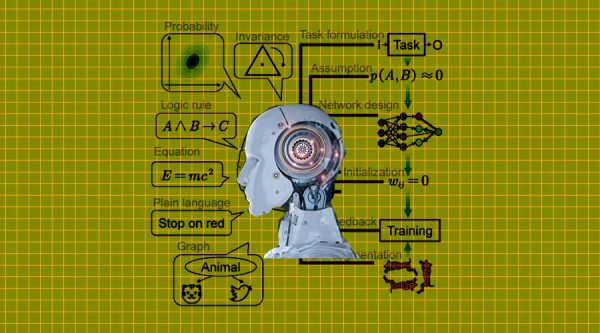
The world has changed due to the rapid advancement of technology, which has an impact on every aspect of our life. The governance sector has not been immune to the revolutionary impact of machine learning (ML) in this age of digital transformation. This essay discusses the frontiers of machine learning (ML) that have the potential to completely transform government operations, as well as the present uses of ML in governance. The use of ML in governance excites and motivates me as an IIT Patna student studying computer science since it points to a time when technology will be essential to transparent and efficient governance.
1. Introduction: The introduction of technical improvements has caused a paradigm shift in the governance sector in recent years. Machine learning, a branch of artificial intelligence that enables systems to learn from and adapt to data, is one of the major forces behind this revolution. The purpose of this article is to examine the ways in which machine learning is now being used in governance and to speculate about future use cases that may completely alter the public administration field.
2. Present-Day Machine Learning Uses in Governance:
2.1 Using Predictive Analytics to Make Policy:
Making defensible judgments with broad ramifications is a problem that governments face frequently. Through predictive analytics, machine learning algorithms sort through enormous volumes of historical data to find patterns and trends. This gives decision-makers the ability to foresee probable consequences, enabling a more proactive and calculated approach to policy-making.
2.2 Fraud Identification and Avoidance:
Financial transactions in the governance sector are vulnerable to fraud, which damages the public’s trust and causes financial losses. In order to provide a strong system for fraud detection and prevention, machine learning (ML) algorithms are essential in identifying irregularities and anomalies in financial data. This guarantees accountability and openness in financial activities in addition to protecting public cash.
2.3 Engagement and Services for Citizens:
Improving citizen participation and services is essential to contemporary governance. By using chatbots and virtual assistants, machine learning (ML) makes it possible to have individualized conversations with citizens. By delivering real-time information and support based on individual preferences and actions, these technologies enhance the general citizen experience and promote a sense of responsiveness from the government.
2.4 Safety and Watchfulness:
Global governments have the utmost concern for public safety. Advanced algorithms for behavior analysis, anomaly detection, and facial recognition are used in machine learning applications in security and surveillance. By facilitating prompt intervention and guaranteeing public safety, these technologies aid in the detection of possible security risks.
2.5 Resource Allocation Optimization:
The seamless operation of government services depends on the effective allocation of resources. Governments may allocate resources more effectively in areas like healthcare, education, and infrastructure development by using machine learning (ML) algorithms to evaluate data and identify areas with high demand or potential problems. By directing resources where they are most needed, this data-driven strategy enhances service delivery as a whole.
3. Machine Learning’s Prospects in Governance Going Forward:
3.1 Intelligent Urban Areas:
The idea of smart cities is becoming more and more popular, and machine learning is predicted to be crucial to their growth. ML algorithms can optimize many facets of urban life, from trash management to traffic control, guaranteeing sustainability, effectiveness, and a higher standard of living for residents.
3.2 Evaluation of the Impact of Policy:
Future policy-making through ML-driven policy effect evaluations is expected to be more sophisticated. Sophisticated algorithms have the ability to forecast policies’ long-term effects, which helps decision-makers make well-informed choices that support larger social objectives. This may represent a dramatic turn in the direction of evidence-based governance.
3.3 NLP (Natural Language Processing) for Document Governance:
A common feature of the legal and policy environment is the abundance of intricate documents. More effective analysis and comprehension of these papers can be achieved through the use of ML-driven Natural Language Processing (NLP). This might greatly cut down on the amount of time needed for legal research, increase compliance, and boost the governance frameworks’ overall efficacy.
3.4 Advanced Techniques for Cybersecurity:
There is a greater need than ever for strong cybersecurity safeguards as governance processes become more digitalized. Sensitive government data can be protected from malicious assaults and illegal access by machine learning algorithms that are designed to adapt and evolve in response to emerging cyber threats.
4. Difficulties and Ethical Issues:
Although ML integration in governance offers many benefits, there are several difficulties as well. This section examines the security issues, potential biases, and ethical issues related to the broad use of ML in the governance industry. It is essential to recognize and tackle these issues in order to guarantee the ethical and responsible application of technology in public administration.
5. The Future is Shaped by Computer Science Professionals:
For an IIT Patna student studying computer science, the nexus between technology and governance is crucial. The critical role that computer science experts play in creating and executing machine learning solutions for the governance industry is covered in this section. For machine learning to fully serve good governance, cooperation between government agencies, business, and academia is vital.
6. Real-Time Decision-Making: ML Insights to Empower Governments:
In governance, decision-making velocity is frequently a crucial element. This section explores how machine learning (ML) makes real-time decision-making possible. ML algorithms can process large amounts of data rapidly, from crisis response to policy revisions, giving decision-makers timely insights to solve new difficulties. Government organizations are more nimble and responsive thanks to this real-time capacity.
7. Case Studies: ML Success Stories in Governance Illustrated:
This section explores real-world case studies where the use of machine learning tools has improved governance in noticeable ways. Examples might be the application of machine learning (ML) in predictive policing to lower crime rates, the deployment of ML-powered chatbots for citizen services, or situations in which data analysis was used to optimize resource allocation. Examining these triumphs offers perceptions into the pragmatic influence of machine learning on governance and acts as a model for subsequent executions.
8. How ML Algorithms Have Changed in Governance:
To comprehend the direction of technological progress, a thorough investigation of the development of machine learning algorithms in the governance space is essential. This section provides a thorough overview of the technological landscape by discussing how these algorithms have changed to suit the increasing demands of governance. These methods range from conventional machine learning techniques to more modern deep learning approaches.
9. Multidisciplinary Teamwork: The Secret to ML Integration
Collaboration between many disciplines is necessary for the integration of machine learning into governance. Together, computer scientists, legislators, legal specialists, and ethicists can guarantee the ethical and responsible application of machine learning technologies. This section emphasizes how crucial interdisciplinary cooperation is to overcoming the difficult obstacles that come with integrating ML into governance.
10. Views and Acceptance by the Public:
Public approval is a prerequisite for the success of machine learning applications in governance. This section examines how public perception affects the uptake of machine learning technology, covering privacy, security, and employment-related concerns. Building trust and promoting a constructive relationship between individuals and technical improvements in governance require an understanding of and attention to these challenges.
11. International Views: A Comparative Study
The process of incorporating machine learning into national governance frameworks varies throughout nations. This section offers a comparative review of worldwide viewpoints, demonstrating how various countries are utilizing machine learning technologies in their governance procedures. Analyzing various strategies provides insightful knowledge and lessons that can guide implementations in other areas in the future.
12. Legal Consequences and Regulatory Frameworks:
The increasing prevalence of machine learning applications in governance highlights the necessity for strong regulatory frameworks. In-depth discussions of topics like data privacy, accountability, and the requirement for laws to control the moral use of these technologies are found in this section on the legal ramifications of machine learning in governance.
13. ML’s Fundamental Principle of Constant Learning and Adaptation in Governance:
The core idea of machine learning is to learn from data and change accordingly. The necessity for governments to promote a culture of ongoing learning and adaptation is emphasized in this section. For governments to stay ahead of new opportunities and difficulties in the ever-evolving field of machine learning, they must continually upgrade their algorithms, invest in staff training programs, and maintain their agility.
14. Constructing an Inclusive ML Integration to Bridge the Digital Divide:
Though ML could transform governance, there’s a chance it could also widen the digital divide. In order to avoid escalating already-existing social imbalances, this section addresses ways for ensuring inclusive machine learning integration. These initiatives address concerns of digital literacy, accessibility, and the equitable distribution of benefits.
15. Looking Ahead: How Emerging Technologies Will Shape Governance in the Future:
This section examines new technologies that could further influence governance in the future as machine learning continues to advance. A glimpse into the comprehensive digital transformation of governance may be obtained by comprehending these technologies, which range from blockchain for safe and transparent transactions to the integration of Internet of Things (IoT) devices for real-time data collecting.
16. From the Viewpoint of the Student: Developing Future Pioneers:
I think that ML’s integration with governance is important, as a student pursuing a BSc in Computer Science at IIT Patna. This section considers how educational institutions may help develop the next generation of innovators and how important it is to provide a curriculum that gives students the tools they need to make significant contributions to the nexus between technology and governance.
17. Imagining a Future of Tech-Driven Governance:
The application of machine learning to governance is a revolutionary path with great potential. The road ahead is both thrilling and difficult, from the present applications having real effects to the prospects for the future that depict a technologically sophisticated governance ecology. Collaboration, ethical thinking, and a dedication to diversity will be crucial as we travel this path. I am a student living on the cutting edge of this technological transformation and am excited to help shape a future in which governance and technology coexist harmoniously for the benefit of society. The path ahead may be difficult, but with careful planning and teamwork, the use of ML in governance seems to have a promising future.