
If China is known for being the factory floor of the world, India has a reputation for being the world’s back office. Hundreds of multinational companies and banks have offshored processes such as records maintenance, regulatory compliance, accounting, and IT services in Indian shared-service centres.
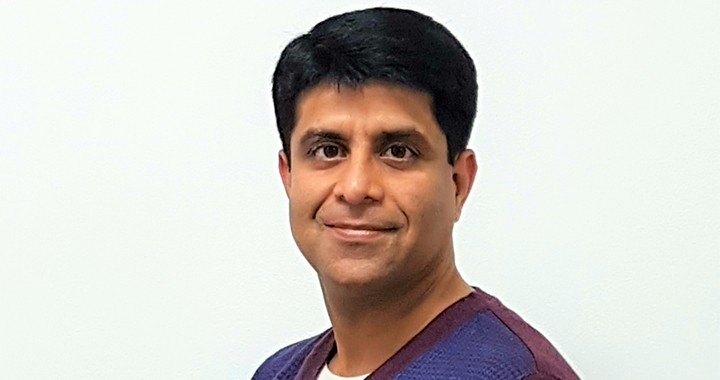
As a senior director at InterContinental Hotels Group (IHG) in Gurgaon, India, Rohit Kharbanda, FCMA, CGMA, CPA (Australia), is part of the shared services function and is responsible for strategic management and performance excellence at IHG.
Many back-office accounting tasks offshored to shared-service centres are transactional and are the most likely to be automated. But Kharbanda considers the rise of robotics, artificial intelligence, data analytics, big data, and machine learning as an opportunity for finance teams in India to learn new skills, take on a more strategic role, and step up business partnering.
“Everybody’s talking about new ways of working: of partnership and collaboration,” Kharbanda said. “Changing the culture, the behaviour, and also the mindset of our finance and accounting professionals is the biggest challenge organisations are facing today.”
What do you consider the number one professional challenge and why?
Rohit Kharbanda: I think the biggest pressure on the finance function is the increasing need to demonstrate the value to business. The future of finance will be defined by flexible and adaptive processes and real-time reporting. That’s a very big ask nowadays.
These requirements of the ever-changing landscape of the organisation today are pushing us to create the mindset of continuous improvement and continuous learning. We are not just talking about the processes; we are talking about people as well. It’s their personal development.
In our organisation, we emphasise the need for upskilling and support the workforce to learn new skills or acquire the necessary skill certifications. Various large organisations also have this as one of the most important priorities on their list, and they also co-pay the cost of that skill acquiring. The skill or certification should add value to their career and to the organisation they are with.
What are the strengths that you see amongst new talent, and how do they compare to when you started with your management accounting career?
Kharbanda: We have a smart workforce. They know what they want, and they also understand what the organisation expects from them. This awareness is their biggest strength.
Technology is becoming more deeply involved in the profession. It is now at the heart of the transformational change facing the finance function. Globalisation and increased competition are also putting a lot of pressure on the finance function. So, when we look at the talent, we look at whether they’ll be able to fit this kind of an atmosphere, where they respect global cultures. Are they ready to unlearn? Because that’s a very big skill people need to have.
They may need to unlearn what they’ve acquired in the past and keep on that continuous learning course when they join the organisation or even if they’re moving in and out and taking on new professional courses. That learning process has to continually evolve. And like I said, technology is the key factor driving every change.
If you were just starting out in your career today, what skills would you focus on learning to get a competitive edge over the others?
Kharbanda: There used to be tech and nontech jobs, which is no longer relevant now. The jobs are well integrated with technology. So, the finance professionals for the future must develop both technical skills and soft skills. Both skills are equally important; we need to have a blend of both.
Being strategic is a foremost skill the current professionals should develop. With automated solutions or robotics deployed to perform transactional jobs, finance professionals should focus on enriching their profile to focus on capabilities like strategic thinking, proactive monitoring of the external trends, and stakeholder engagement. The more these collaborative skills and proactive thinking skills are executed on the ground, the better results we can generate for the organisation.
Finance technical skills are the next set and include business modelling, process design, cost optimisations, and core financial data analysis. This is what finance professionals have been traditionally known for, and this will still be the heart or foundation of the growth as a finance professional.
Proactive monitoring and proactive thinking are supported through analytics, technology, and data. The capabilities like data modelling, robotics, strategic trend analysis, research capabilities, or programming are the technical skills the finance professionals should harness.
The last ones are the behavioural skills — service management capabilities, relationship capabilities, impactful storytelling. Programme management skills are also important with so many moving parts in the organisation and with the ever-changing macro environment. Some of the other behavioural skills that need mention here are feedback communication, negotiation, and developing talent in the organisation.
How do you see the role and responsibilities of the finance function changing in the next five years? Which skills will be key?
Kharbanda: The role of finance professionals in the current scenario is multifaceted. Some of the expectations from the finance function are: the foundational and transactional, the data governance, analytics, the insights. During my initial days as a finance professional, everything was done manually.
Artificial intelligence, blockchain are pushing us to reinvent our work. Artificial intelligence will become the new foundation. There are different skills we’ll have to incorporate in our talent model and our workforce.
We have some intelligent systems available that support analytics. Data governance is now more system-based with the new ERPs and integrated solutions. The basic finance transactional jobs are slowly and gradually being taken over by the bots. What we increasingly expect of a finance professional is leadership, judgement, and insights.
Different roles will emerge with these changes, the likes of business solutions architect. These people will create the artificial intelligence, and then you need the workforce to work with this artificial intelligence. This includes financial data modellers, business planning analysts, etc.
While working with artificial intelligence, we must maintain the financial and regulatory requirements. That is a separate skill to maintain and nurture.
The big data available can be utilised to bring outside perspective into your organisation and influence the decision-making. We will need a workforce of data miners and data scientists.
Leadership skills are also going to change. As leaders, we’ll have to have new skillsets to manage this kind of a blended workforce.
What you’re saying is despite technological advancement, human leadership qualities are still important, correct?
Kharbanda: I always tell my team, “Humans make machines. Machines don’t make humans.” Do not get bogged down thinking that your job is going away because of a robotics system. Upskill yourselves. If somebody upgrades the technology to do a little more than what it used to yesterday, you have to upgrade yourself, your skillsets, to do more than what you did yesterday.
It’s just that you need to know and understand what is required tomorrow. And you start preparing for it today.
Which skills best deal with uncertainty, and how do you learn them?
Kharbanda: I have mentioned strategic thinking a couple of times. Put your head around your work and get a hang of every piece that makes that activity or task. See what value you can bring to that task rather than being mechanical. This is what organisations are expecting from the teams.
The accounting certifications are just the foundation; we need to learn and adapt technology to complete it. There are certification courses on robotics, blockchains, etc. You should create that awareness for yourself, so when the opportunity knocks on the door tomorrow, you are prepared to handle it.
At the last World Economic Forum [WEF], skills for the future were a major topic of discussion. According to the WEF, at least 1 billion working people will need to be reskilled by 2030. That is within ten years.
Are there any professional skills you learned recently, or plan to learn?
Kharbanda: I have recently completed the CIMA Digital Mindset course. With my responsibilities of business development and project management for automation and new generation tools, I’m learning a lot about robotics, different tools, and solutions that are out there.
I keep attending webinars and whenever I get an opportunity to work with the Big Four consulting firms, I learn from their insights on what the wider industry is doing in our space.
Can you explain how artificial intelligence is helping you meet your day-to-day challenges?
Kharbanda: When we talk about data entry in finance and accounting, posting journals, processing accounts payable, invoices, or processing bank reconciliations, artificial intelligence has taken over or will take over those roles. So, what do we expect out of the finance team? We invest in this talent and utilise the knowledge they possess and upscale them to do bigger, better jobs.
A lot of organisations take this as an opportunity to consolidate next-gen activities still performed in different business locations and generate a more efficient workforce, delivering cost optimisations, standardising of work, and producing synergies.
How are you, or how are your departments and your professionals now promoting collaboration and business partnering across the company?
Kharbanda: Organisations are now creating centres of excellence. This team supports the other functions in meeting their budget and functional goals. A lot of the functions may not have the capability to crunch financial stats, trends, and forecasts. With their enhanced skills, finance professionals are joining the core strategy meetings of these functions and are supporting them with analytics and insights to create a holistic and objective road map. Finance professionals are gradually becoming finance business partners.
The collaboration is supposed to be at all the levels of the organisational structure to make it robust. We encourage our finance team members to engage with their counterparts regularly. Within the function, we gather a lot more strategic and ground-level information through these engagements, which helps to create sound forecasts and plans for senior leaders.
Rapid fire questions
What’s the number one skill a finance professional should have?
Kharbanda: Data analytics.
Soft skills or tech skills, which are more important to you now?
Kharbanda: It’s the soft skills.
What’s the most important action finance professionals should take to advance their careers?
Kharbanda: Learn from your environment. Be aware of what changes are coming, and you could be the game-changer yourself.
Source: fm-magazine.com